Arts & Literature
All Articles(11 articles)
Arts & Literature30 Apr 2026
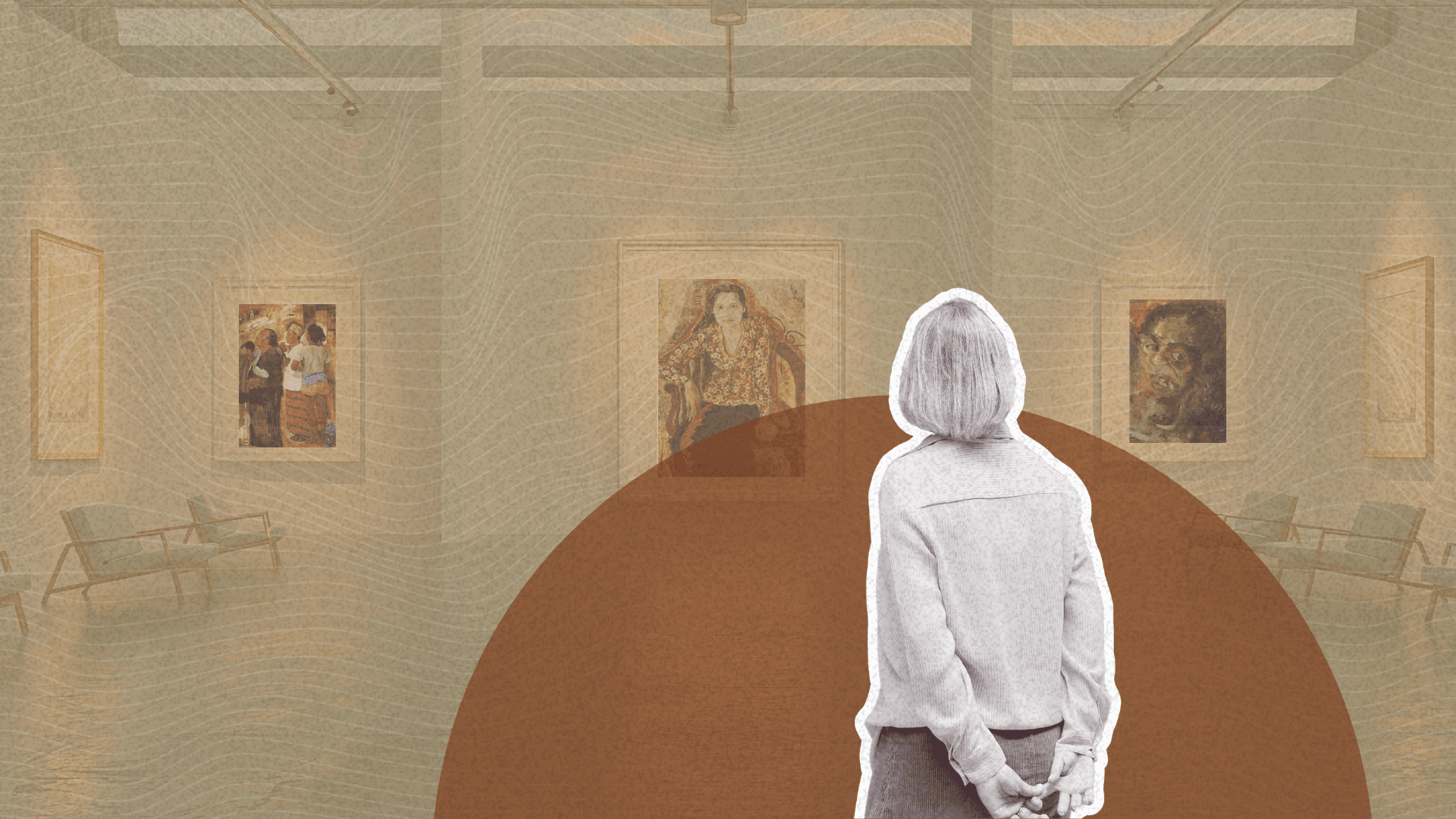
Historicising the Artist: an Exploration of S. Sudjojono
Sindudarsono Sudjojono (1913-1986), or S Sudjojono, is often lauded as the father of Indonesian modern art. At the end of the 1930s, when most Indonesian artists were still painting dreamy landscapes to depict Indonesia, Sudjojono boldly strayed from the crowd...
Sabrina Binte Hardy
9 min read
Arts & Literature27 Jan 2025
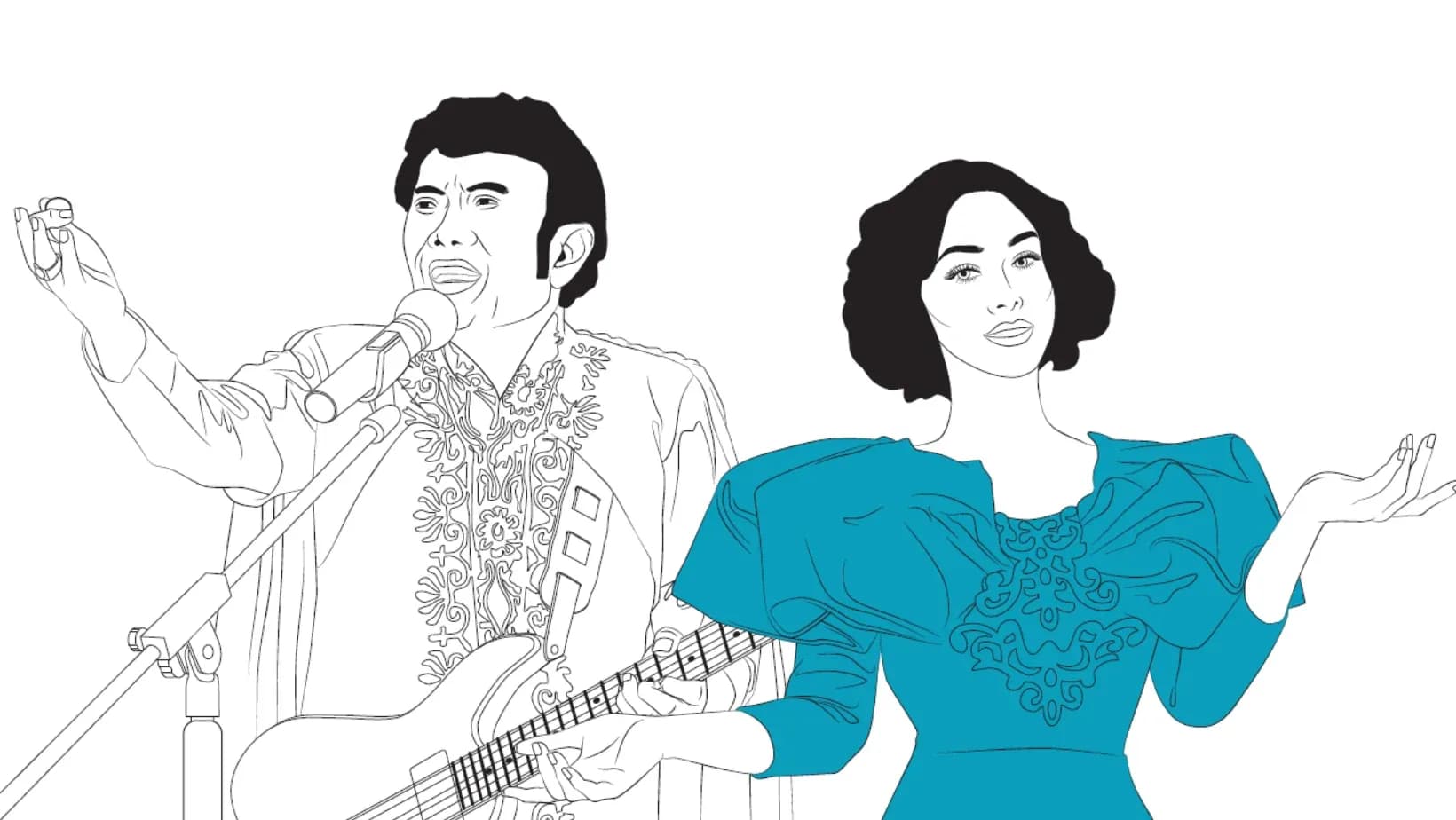
From Gelek to Jedag Jedug: The Evolution of Dangdut
Emerging from the vibrant cultural shifts of the 60s, dangdut is a popular and widely cherished Indonesian music genre rooted in grassroots communities. The name itself is...
Qamar Jannah Fateen
11 min read

Arts & Literature27 Jan 2025
Thoughts on English Islamic Literature in Singapore's Context
In recent times, we have witnessed increased output of Islamic works in English by Singaporean Muslim writers, mainly non-fictional in nature. This is different as compared...
Ahmad Ubaidillah Mohamed Khair
12 min read

Arts & Literature30 Oct 2024
Being a Muslim Writer in Singapore - More Than Just Words
After getting 3 books published in 5 years, there is still much for me to learn about the publishing industry and just how many things I had assumed wrongly. It has been a...
Ameera Aslam
11 min read
Arts & Literature30 Oct 2024
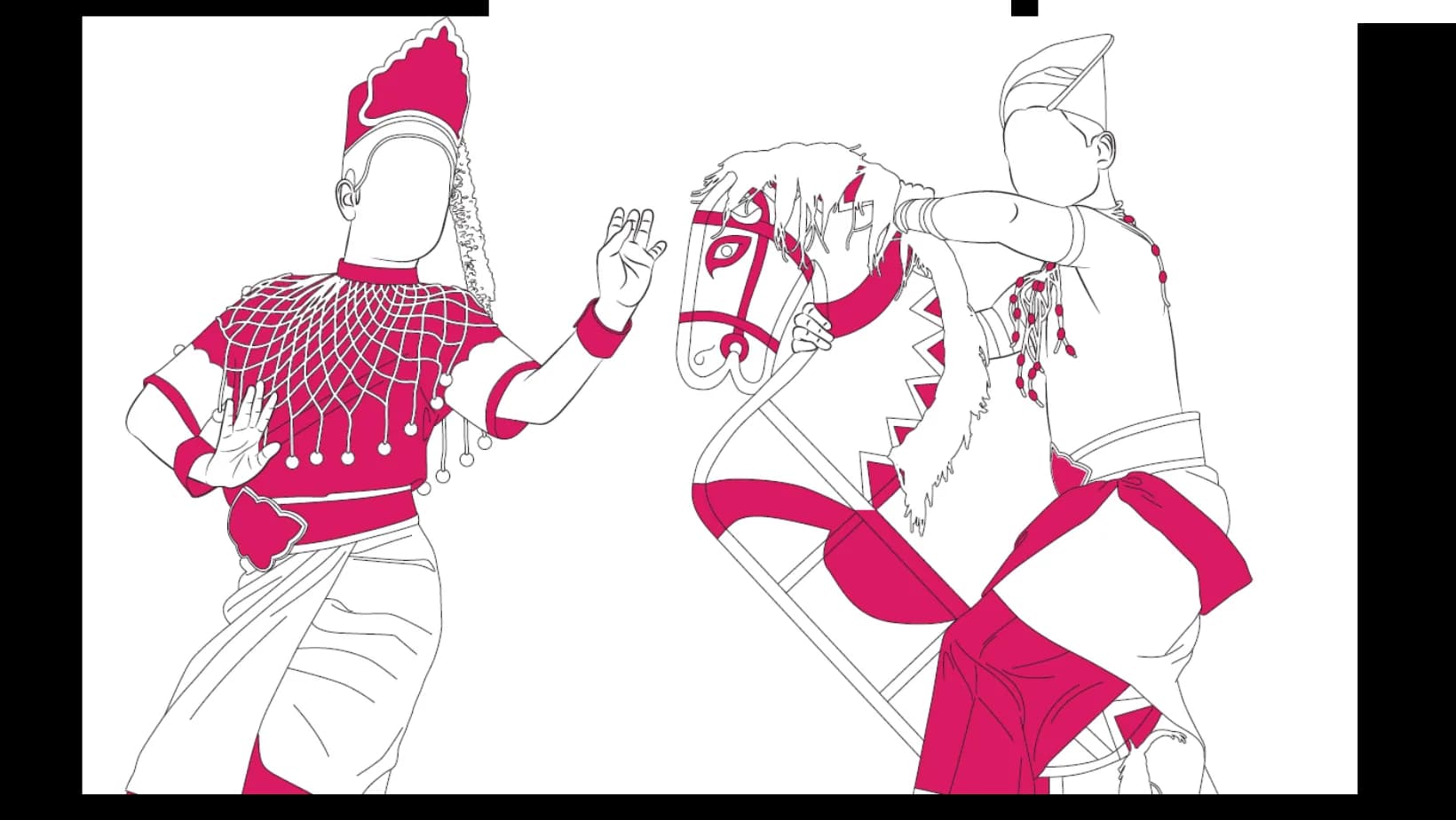
The Forbidden Cultural Arts: Mak Yong & Kuda Kepang
The convergence of tradition, spirituality and cultural preservation presents a complex challenge for indigenous art forms, particularly those deeply rooted in animism and shamanistic rituals....
Qamar Jannah Fateen
10 min read
Arts & Literature16 Jul 2020
Stories and the Theatre
When I was growing up, stories were avenues of exploration and escape. The dystopian futures of comic books were scary but that was all they were at the time – stories. Imagining living a life as a superhero trying to right the wrongs of society, while at the same time stopping the world from destroying itself, occupied many of my evenings after homework was claimed to be done.
Adib Kosnan
8 min read
Arts & Literature15 Apr 2020
The Feasibility of Writing: Always an Open-ended Examination Paper
Study your personal, social, economic, and educational contexts carefully, and then answer all the questions.
Dr Nuraliah Norasid
10 min read
Arts & Literature15 Oct 2018
Yes, I Go to Acting School
Whenever I tell people that I am studying theatre acting, I always get the same set of responses: “Can make money?” “Acting so easy, must go school ah?” “So I will see you on Suria soon?”
Tysha Khan
9 min read
Arts & Literature15 Jul 2017
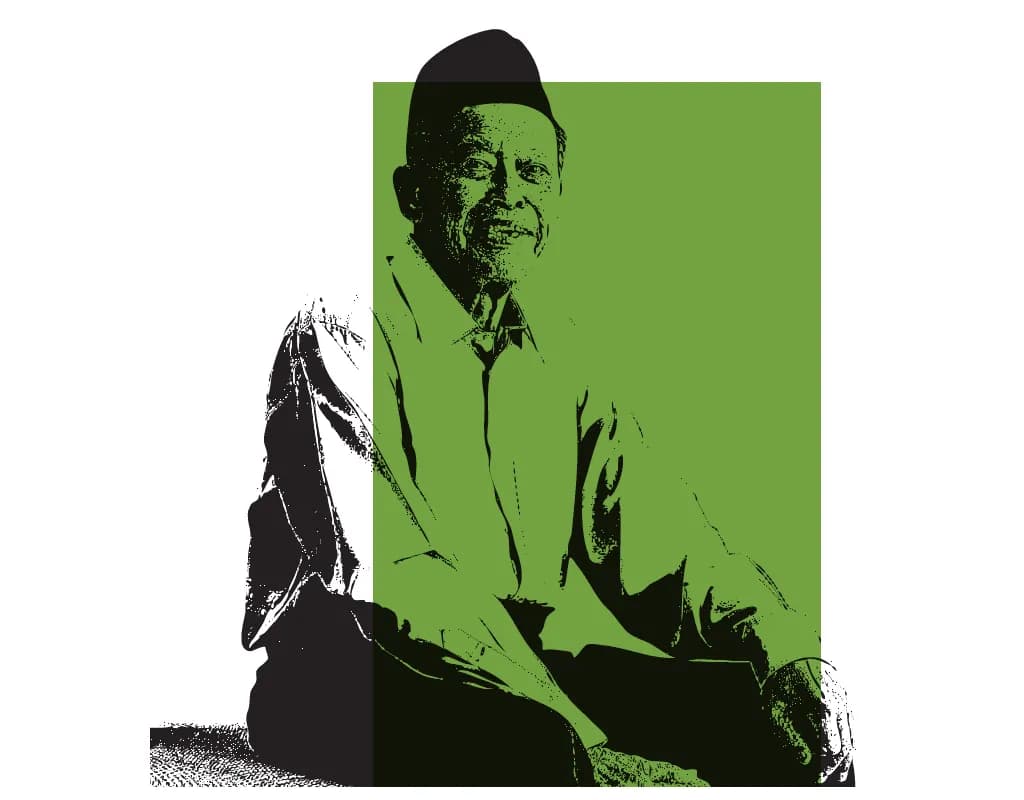
Othman Wok: The Man and His Literary Legacy
On 17 April 2017, Othman Wok passed away in Singapore General Hospital. In the days that followed, many citizens shared their memories of this remarkable man, who had rose from obscurity to become a member of independent Singapore’s first Cabinet. However, amidst all these accolades for public service, there were mourners who honoured him for a very different reason. These were fans of his horror writings, especially readers of his best-selling short story collection Malayan Horror: Macabre Tales of Singapore and Malaysia in the 50’s, published in 1991.
Ng Yi-Sheng
8 min read
Arts & Literature15 Jan 2017
The Story Behind A Novel
To the uninitiated, the tears that Nuraliah Norasid shed, upon being announced as the winner of the Epigram Books Fiction Prize on 24 November 2016, were simply for the joy of clinching the $25,000 award — the richest literary award, and the only one dedicated to the novel genre in Singapore thus far. The tears were in fact bittersweet as Nuraliah knew the submissions from the other finalists were no less impressive, ranging in scope and theme from critiques of political systems to complex personal and internal relationships, and the questioning of life through the breakage of time and space continuums.
Abdul Shariff Aboo Kassim
7 min read