International
All Articles(8 articles)
International15 Jan 2021
Grappling with Terror: How France Can Tackle Radicalisation
While the world faces a huge battle against COVID-19, a series of terror attacks in France have sent shockwaves of fear and anguish into the minds of the French public.
Ahmad Saiful Rijal Hassan
7 min read
International15 Oct 2020
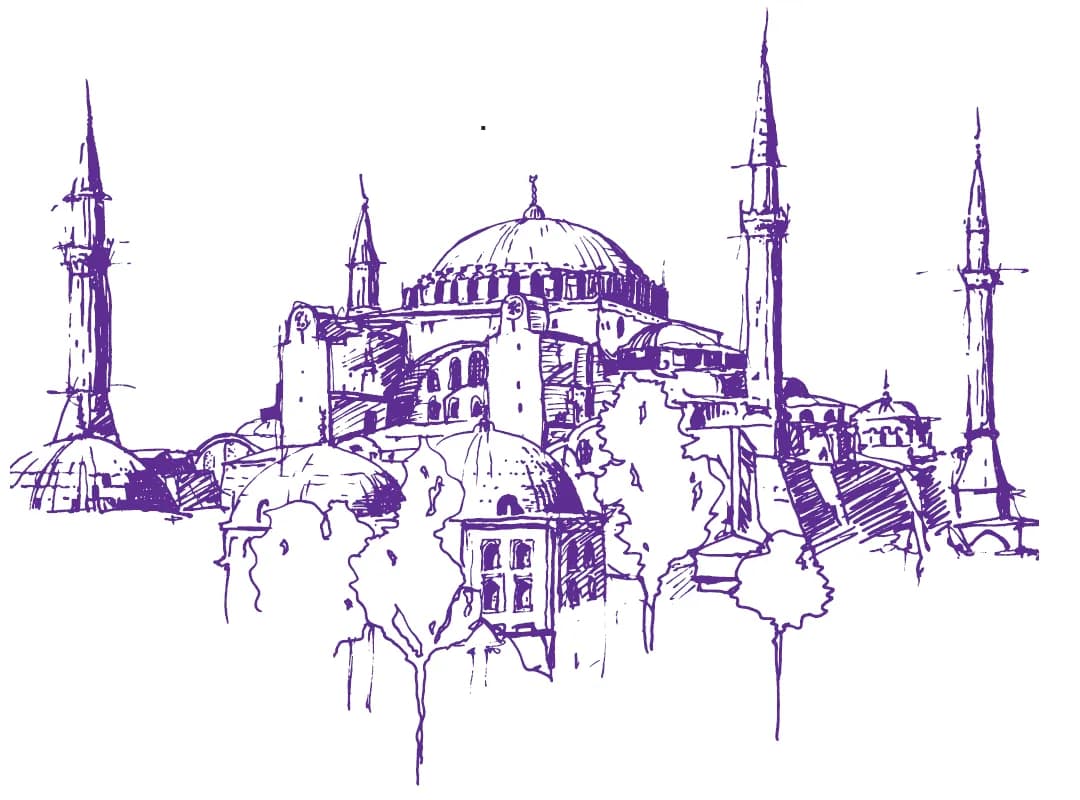
Hagia Sophia and Its Multiple Lives
In July 2020, Turkish President Erdogan surprised nearly everyone with his decision to annul a 1934 bill converting the Hagia Sophia into a museum and instead reinstated the space as a functioning mosque. The transition was quick: the announcement to do so was done on July 10, and within two weeks, the building reopened its doors to host Friday prayers attended by Erdogan, top government officials, and around 350,000 congregants. The decision was greeted with split responses from the international community. Many expressed their disappointment and concerns over what such a move could potentially signify, while others hailed it as a victory of sorts for the Muslim community.
Syafiqah Jaaffar
8 min read

International15 Oct 2020
BLM Movement Around the World and in Singapore: Reflections on Struggle and Solidarity
On 25 May 2020, George Floyd was unjustly killed by a white police officer in Minneapolis, United States. The impact of his death reverberated across the country and the globe, from Sri Lanka to Spain and South Korea to Senegal. All over the world, people took to the streets – for the most part, peacefully – to demonstrate solidarity with Floyd, and the larger Black community in the United States. They too took the chance to protest against racism, racialised violence, and instances of police brutality in their respective countries.
Nursheila Muez
6 min read
International15 Jul 2019
Intellectual Rigour in Islamic History: A Lesson for 21st Century Malaysian Muslims
The growing pains of political transition after a general election is a common occurrence in many societies. Malaysia is no exception. A year after the overthrow of the Barisan Nasional (BN), the more “democratic” coalition of Pakatan Harapan (PH) is not without its harsh critiques. There are rising tensions due to PH’s capitulation to far-right Malay/Muslim sentiments.
Dr Sharifah Munirah Alatas
8 min read
International15 Oct 2018
A Singaporean's Perspective on Fostering Inter-Religious Relations in Malaysia
Interfaith relations are perhaps one of the most visible barometers one could use to assess a country’s state of social harmony. This is because of the difficulty entailed in administering a country where individuals who have different religious beliefs literally live side by side.
Syed Imad Alatas
8 min read
International15 Oct 2018
Thai Cave Rescue: Lessons on Humanity
Switching on the television and catching a glimpse of the news might make some people be sceptical of humanity. However, from time to time, the human race reminds us how it is like to be united.
Mysara Aljaru
6 min read
International15 Oct 2017
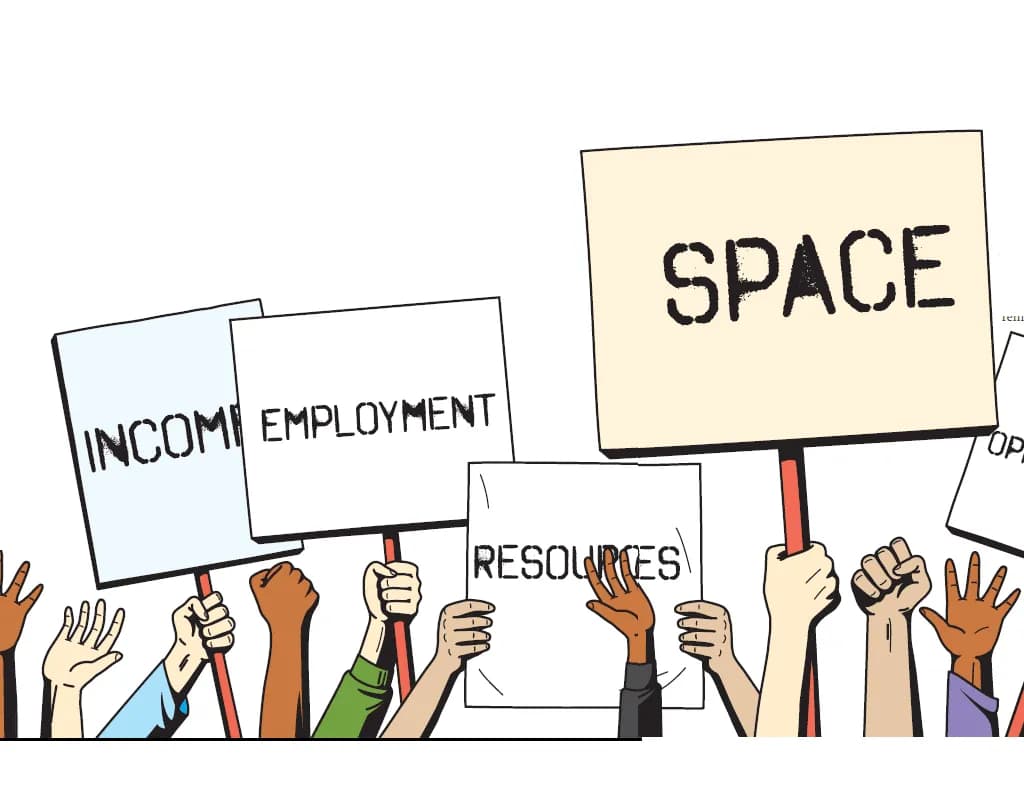
On Charlottesville and its Significance for Singapore
On 11 August 2017, violent clashes took place in the university town of Charlottesville, in the state of Virginia in the United States. The parties involved were the white supremacists, who had planned a “Unite the Right” rally to protest the proposed removal of Confederate icon, General Robert E. Lee, and counterprotesters, who resisted the rally. They clashed at the foot of the statue of Thomas Jefferson, principal author of the Declaration of Independence and third President of the United States (1801 to 1809).
Dr Nuraliah Norasid
8 min read
International15 Jan 2017
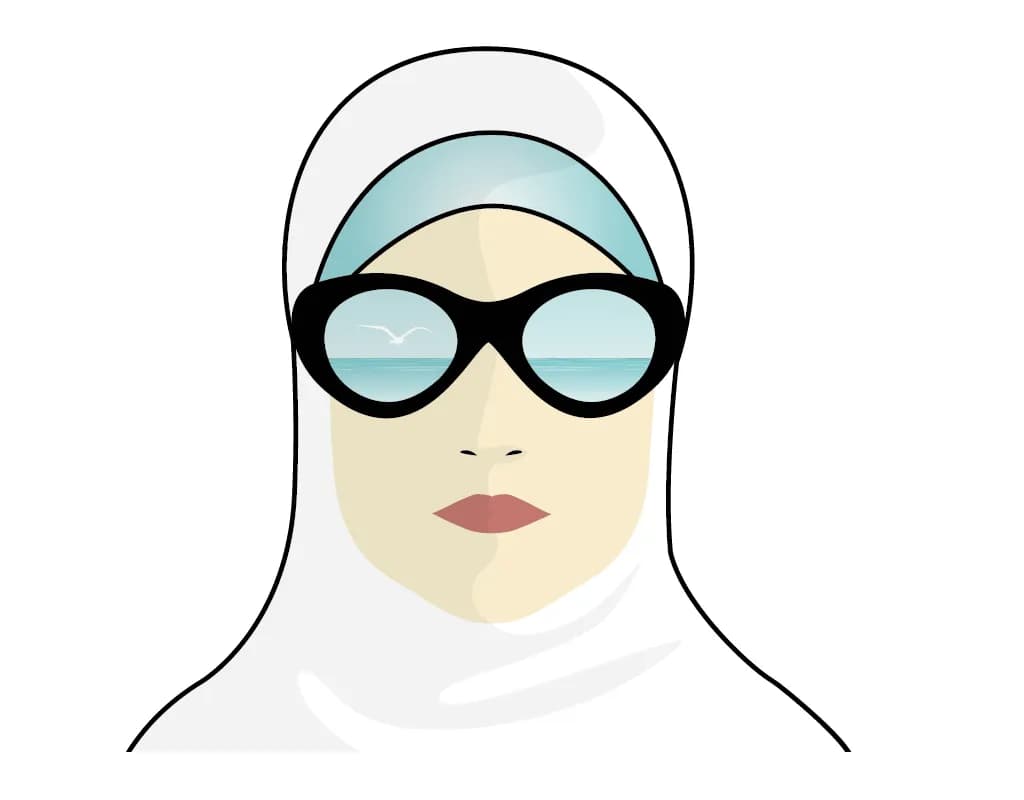
Secularism in Managing Religious Diversity
Debates on the encroachment of religion into the public sphere were recently reinvigorated in France, when images of a Muslim woman on a French beach forced to remove part of her attire were plastered over the Internet and mainstream media. Several French coastal towns then moved to ban the “burqini”, a type of swimming attire favoured by Muslim women which covers the female form and hair. While there is nothing Islamic about the burqini apart from allowing Muslim women to cover their aurah (non-Muslim women can also choose to dress modestly), it is seen as an outward marker of Muslim religiosity and Islam.
Nur Diyanah Anwar
8 min read