Politics
All Articles(11 articles)

Politics15 Jul 2022
First Among Equals: Lawrence Wong as Prime Minister and What Lies Ahead
The much-awaited question has finally been answered: Finance Minister Lawrence Wong will succeed Prime Minister (PM) Lee Hsien Loong as the leader of the Fourth Generation (4G) of People’s Action Party (PAP) leaders, and thus, as the next Prime Minister of Singapore.
Dr Walid Jumblatt Abdullah
8 min read
Politics14 Jan 2022
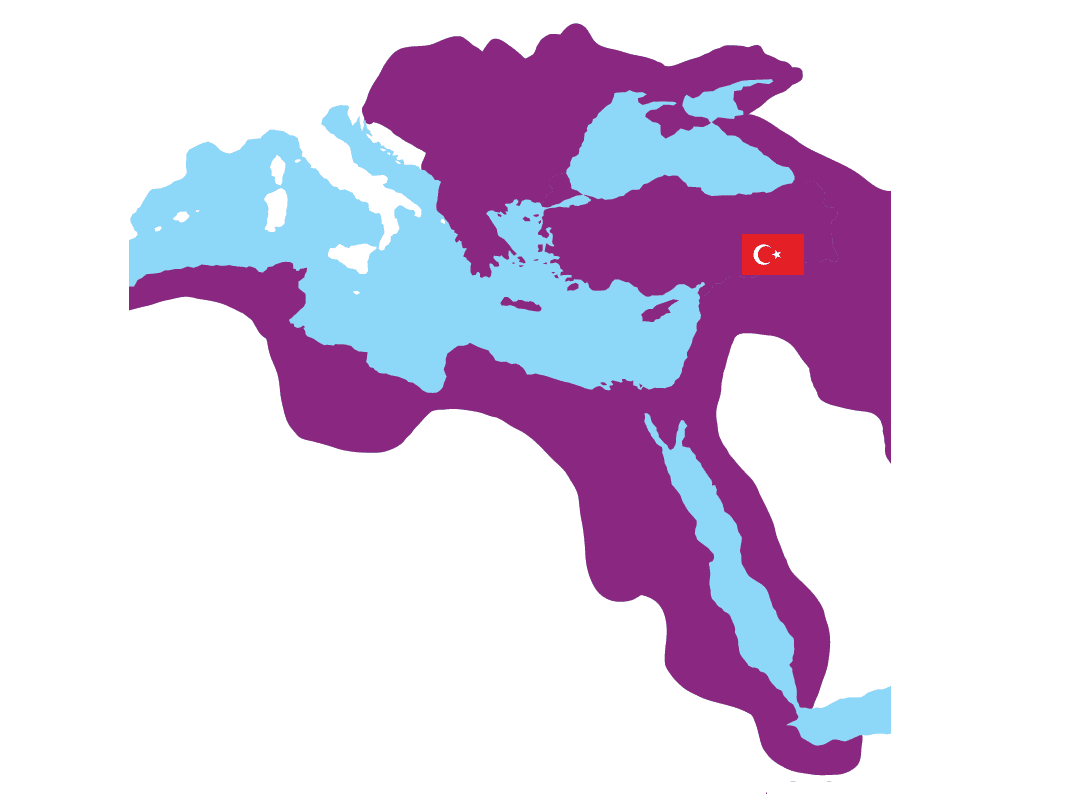
Role of Singapore Muslims During the Ottoman-Balkan Wars
In the early 18th century to the end of the 20th century, with the rise of the Industrial Revolution, colonial powers such as the Great Britain, France and Russia started to expand their power to other regions such as Asia and Africa through colonisation.
Muhamad Syafiq Mardi
7 min read
Politics15 Jul 2019
A Prime Minister in the Making: Will Heng's Open, Consultative Style Take Off?
On 23 April 2019, the long wait for a clear indication as to who would be Singapore's next Prime Minister (PM) seemed to be over. The Prime Minister's Office (PMO) announced that Finance Minister Heng Swee Keat will be promoted to Deputy Prime Minister (DPM) as part of the latest changes to the Cabinet.
Abdul Shariff Aboo Kassim
9 min read

Politics15 Oct 2018
National Day Rally 2018: The Key Issues
Judging from responses on social media, Prime Minister (PM) Lee Hsien Loong's National Day Rally (NDR) Speech 2018 was well-received this year, compared to last year when a number of commentators in mainstream and social media suggested he left out some pressing issues affecting the everyday life of the average Singaporean.
Abdul Shariff Aboo Kassim
10 min read
Politics15 Jul 2018
Mr Masagos Zulkifli: Leading by Collaborating
More than a decade ago, some years before he entered politics, Mr Masagos Zulkifli was selected to receive a prestigious community award, presented by local Malay daily Berita Harian. Mr Masagos was then the Chief Executive Officer for SingTel’s Global Offices. Despite being based overseas, he was actively contributing to the community through local Muslim non-profit organisation Perdaus. I was then tasked to inform him about the award. I spoke with his personal assistant who promised to ask Mr Masagos to return my call. Mr Masagos was travelling at that time and could only afford me a quick phone call.
Nazri Hadi Saparin
6 min read
Politics15 Jul 2018
Cabinet Changes and the Future
The recent cabinet reshuffle was an eagerly anticipated one because it marks the ascension of the fourth generation (4G) leaders and the retirement of several long-serving ministers.
Abdul Shariff Aboo Kassim
9 min read

Politics15 Jul 2018
The Importance of Political Activism Among Youths
Historically, young people have always been involved in politics. What is meant by politics is a form of engagement and commitment to change society and its norms, institutions and structures outside of volunteerism and pursuing a career.
Muhammad Fadli Mohd Fawzi
7 min read

Politics15 Oct 2017
The Reserved Presidency: A Good Outcome to A Debatable System
Madam Halimah Yacob was sworn in as Singapore's eight President on 14 September 2017. It was supposed to be a momentous occasion: not only is she from a minority ethnic group but also the first female head of state. On any other occasion, this would have been a day to celebrate as it constitutes an important milestone in Singapore’s post-independence history. But the run-up to the historic occasion was fraught with public disquiet.
Abdul Shariff Aboo Kassim
10 min read
Politics15 Jul 2017
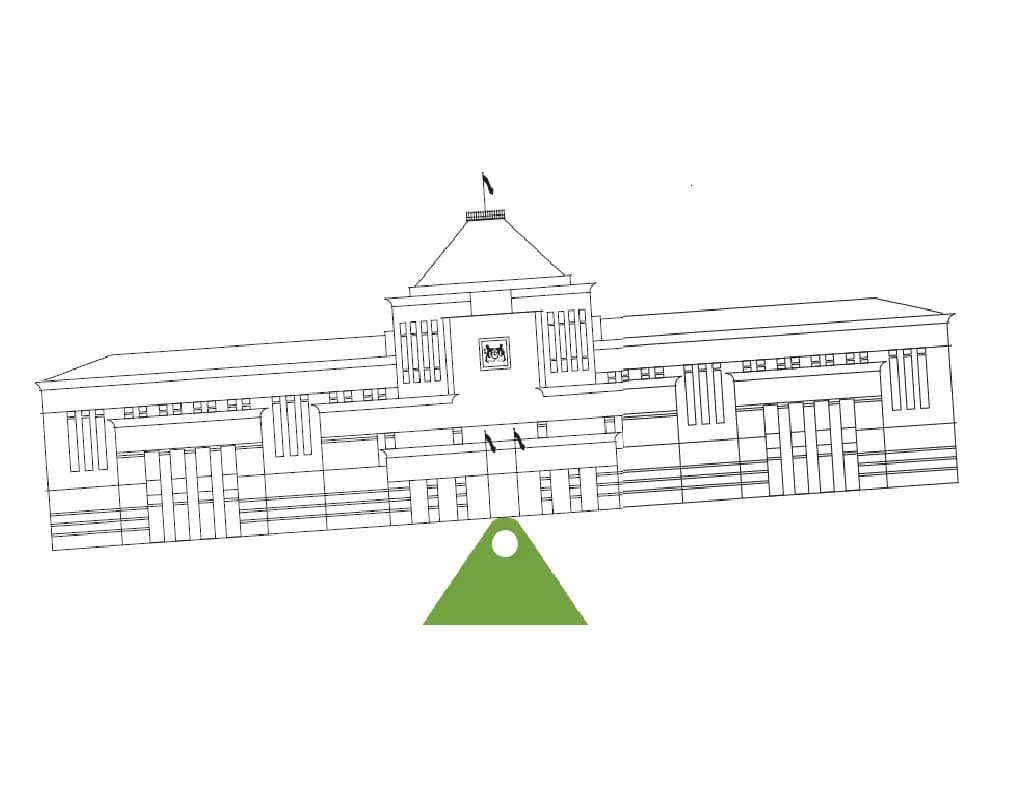
Cabinet Changes: More Diversity Needed?
On 27 April 2017, the Prime Minister’s Office (PMO) announced changes to the Cabinet. Key among the changes was the promotion of two Senior Ministers of State to full ministers. The cabinet is poised for expansion as the promotion of Mrs Josephine Teo and Mr Desmond Lee are just two of more that are expected to take place in 2018, according to Prime Minister Lee Hsien Loong. The future will not only see the appointment of more ministers but also the newer ones helming their own ministries.
Abdul Shariff Aboo Kassim
7 min read

Politics15 Apr 2017
The Search for Singapore’s Next President
Scheduled for September, the coming presidential election must be the most anticipated public event of 2017. While the populations of larger democratic countries have to contend with numerous regional and local elections that may cause electoral fatigue, Singaporeans get to express their democratic voice only once every two to three years in alternating general and presidential elections, as well as the occasional by-election. This year’s election, though, is especially anticipated by the Malay community because for the first time, the presidential election will be reserved for Malays.
Dr Johannis Abdul Aziz
8 min read